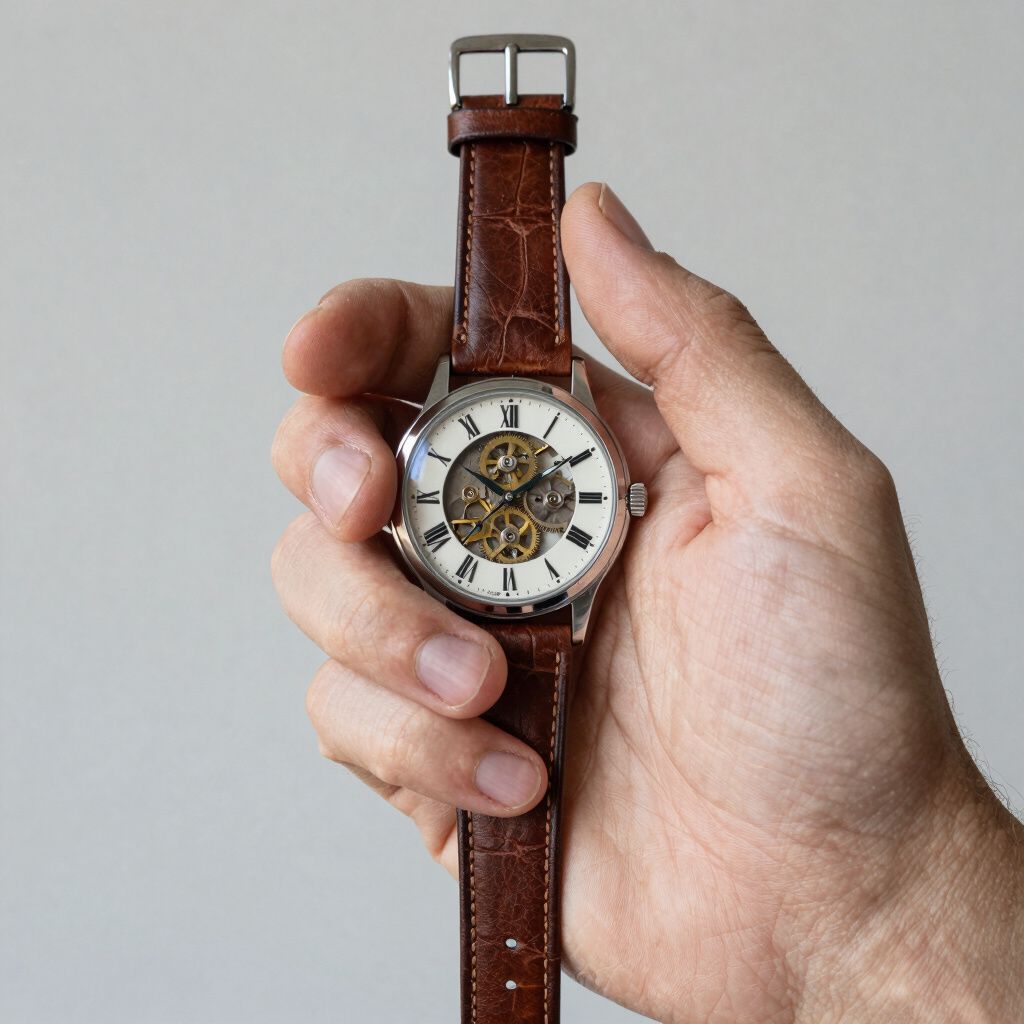
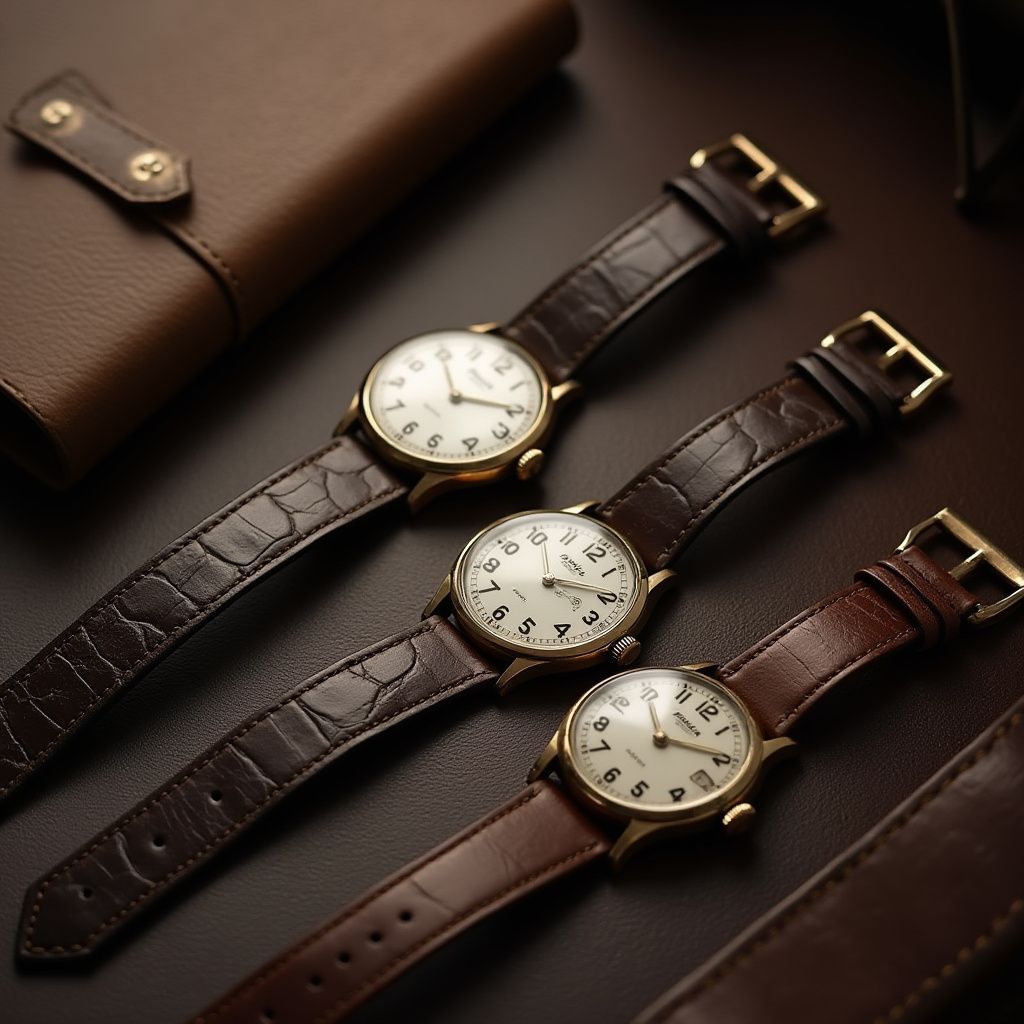
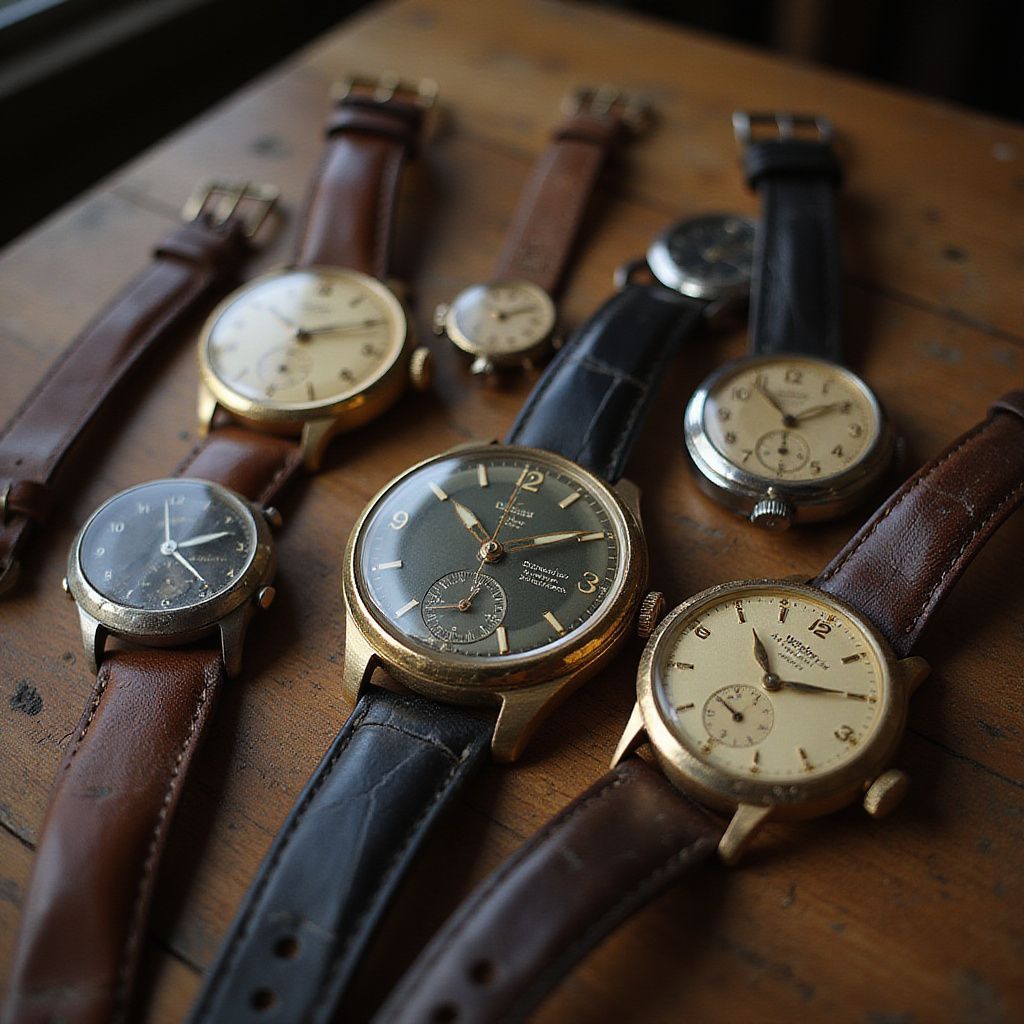
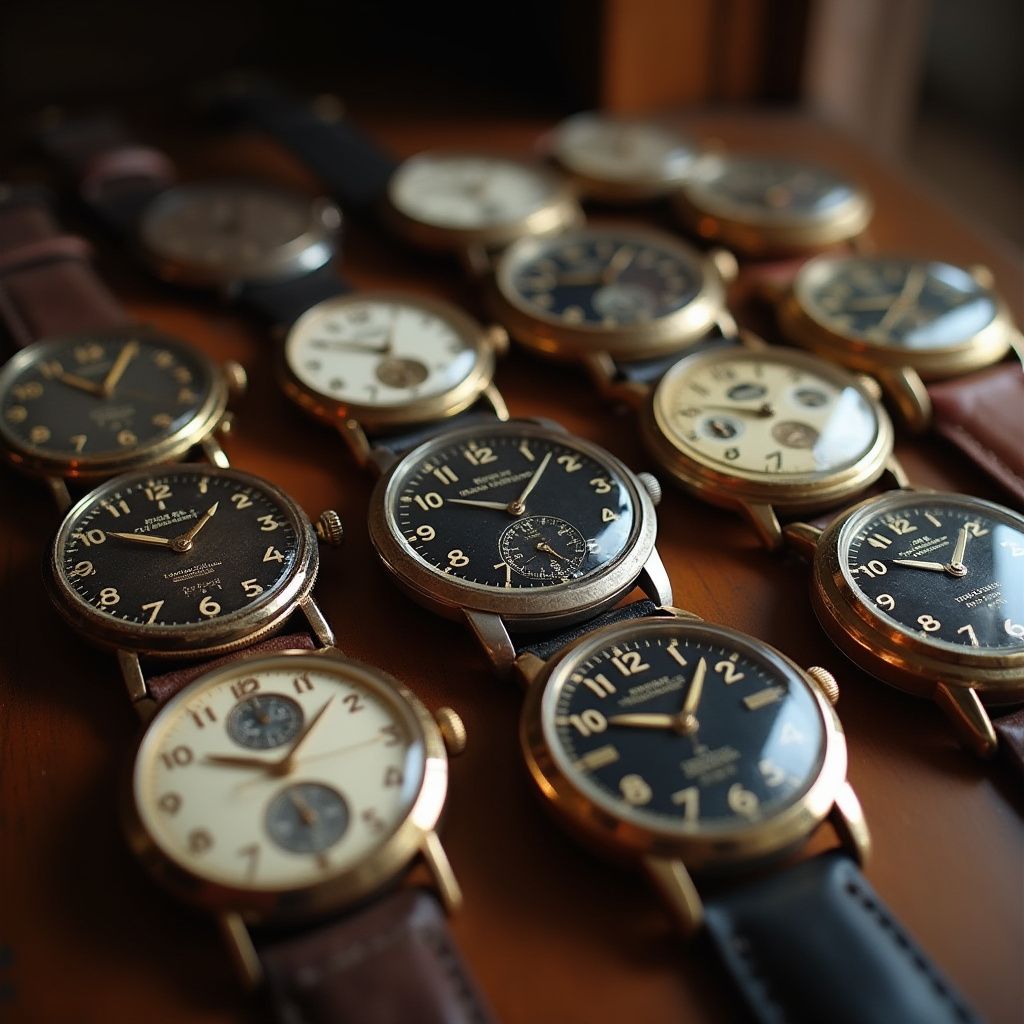
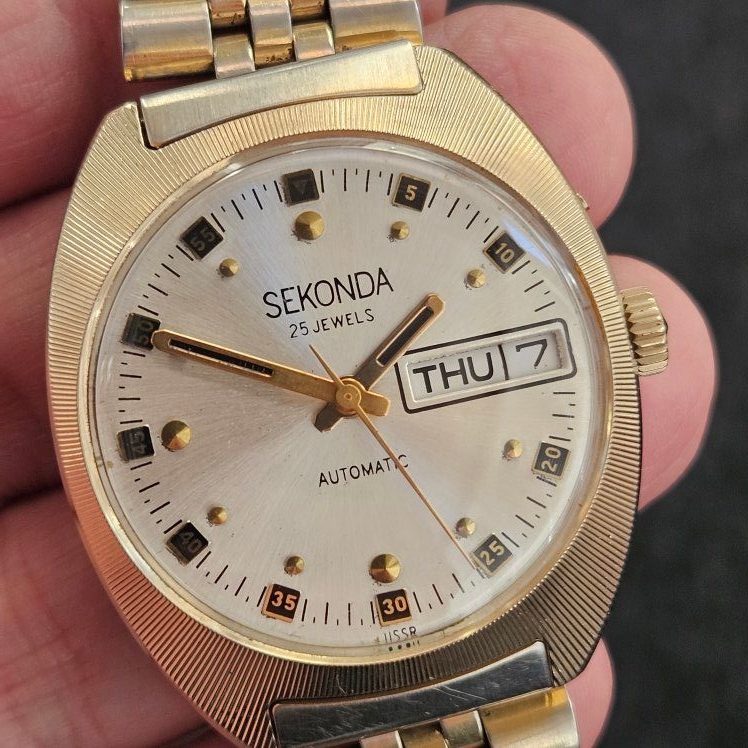
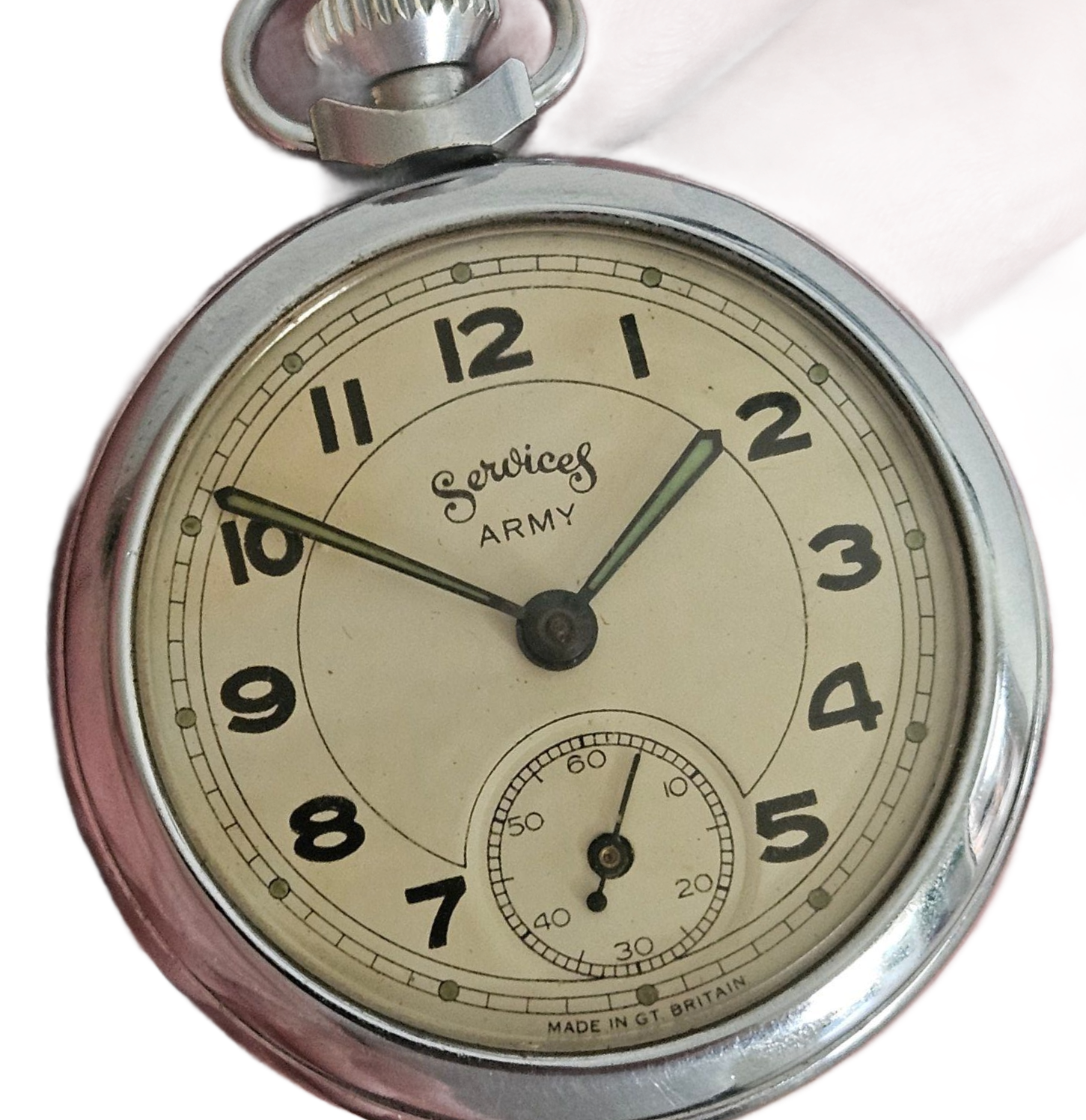
the history of vintage watches
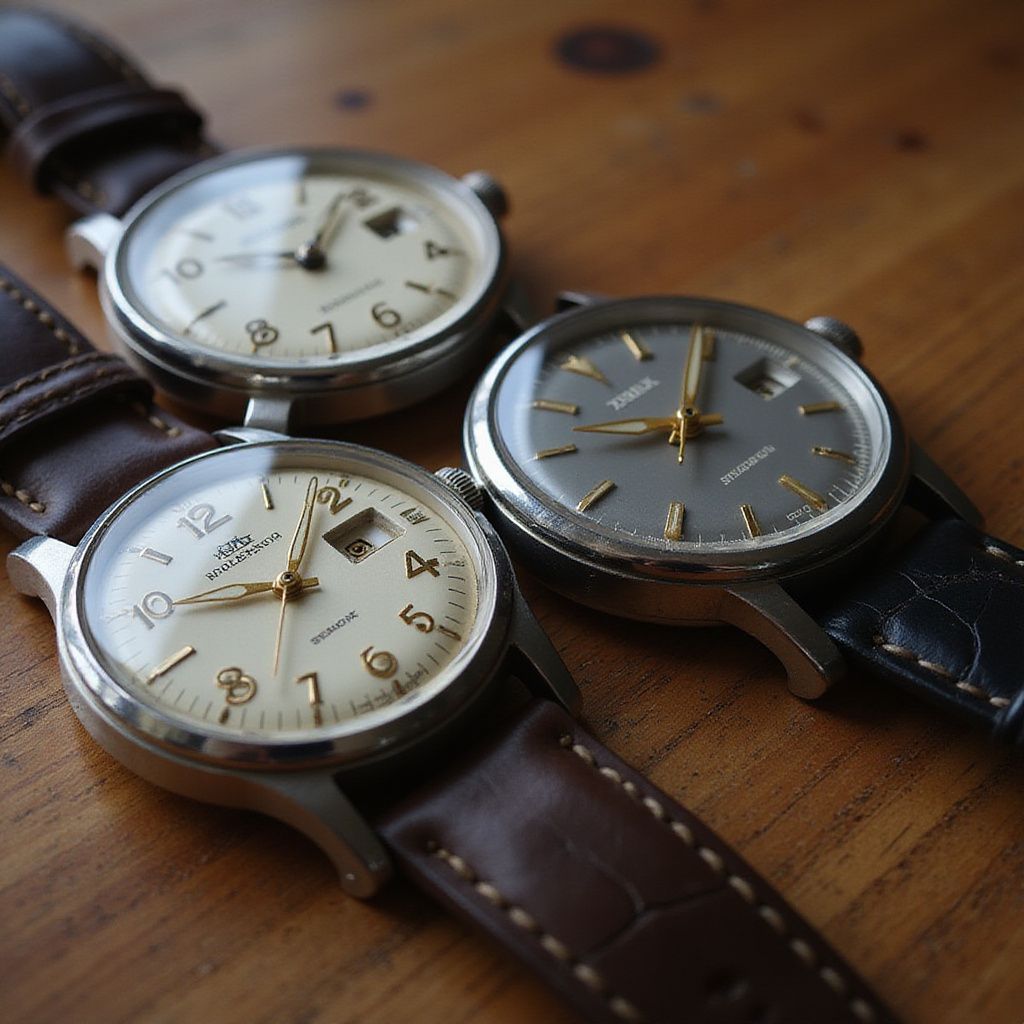
The history of vintage watches is a journey from ornamental, inaccurate pieces to Essential timekeeping tools and, eventually, to collector’s items that represent different Eras of design and innovation.
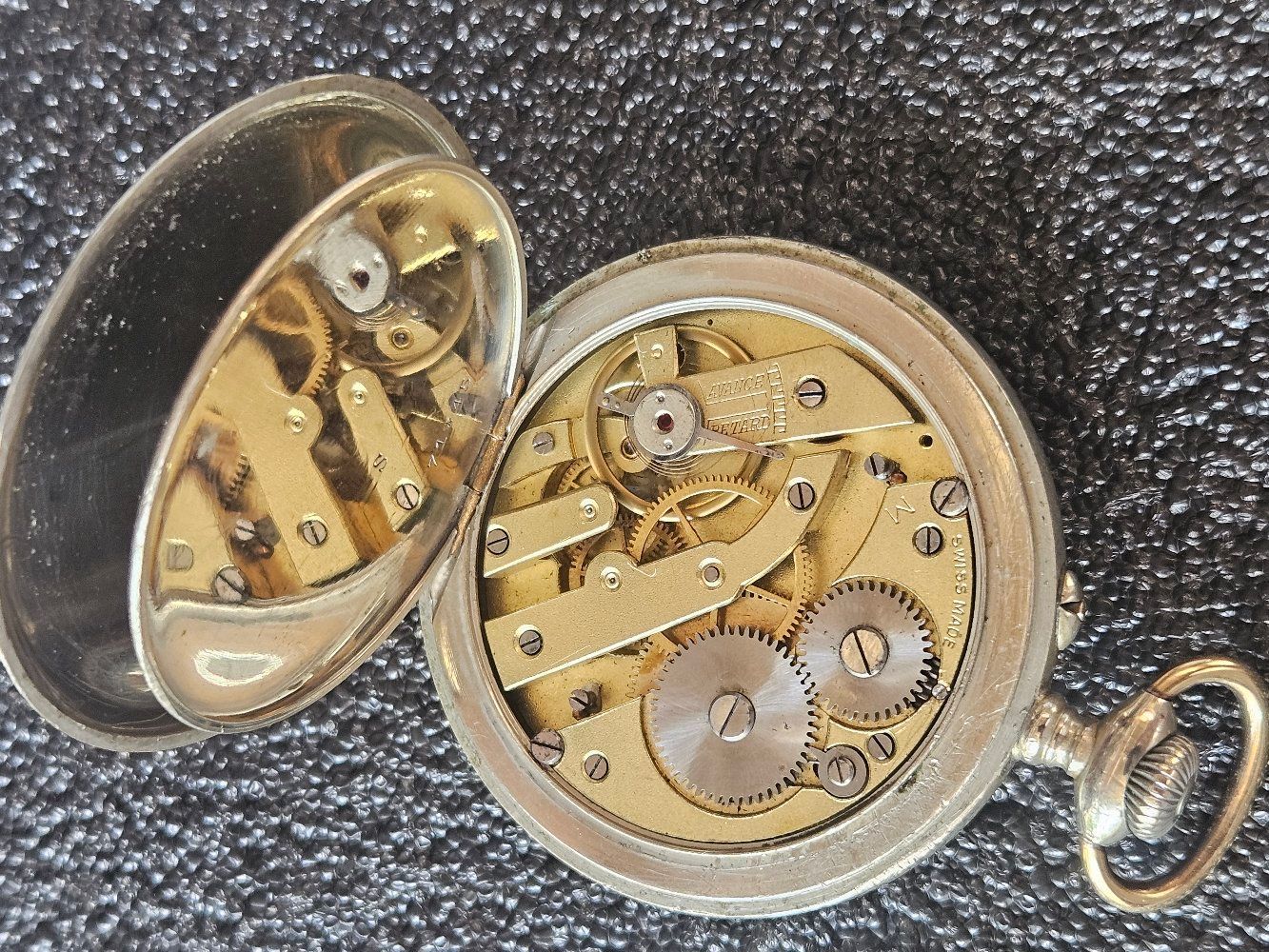
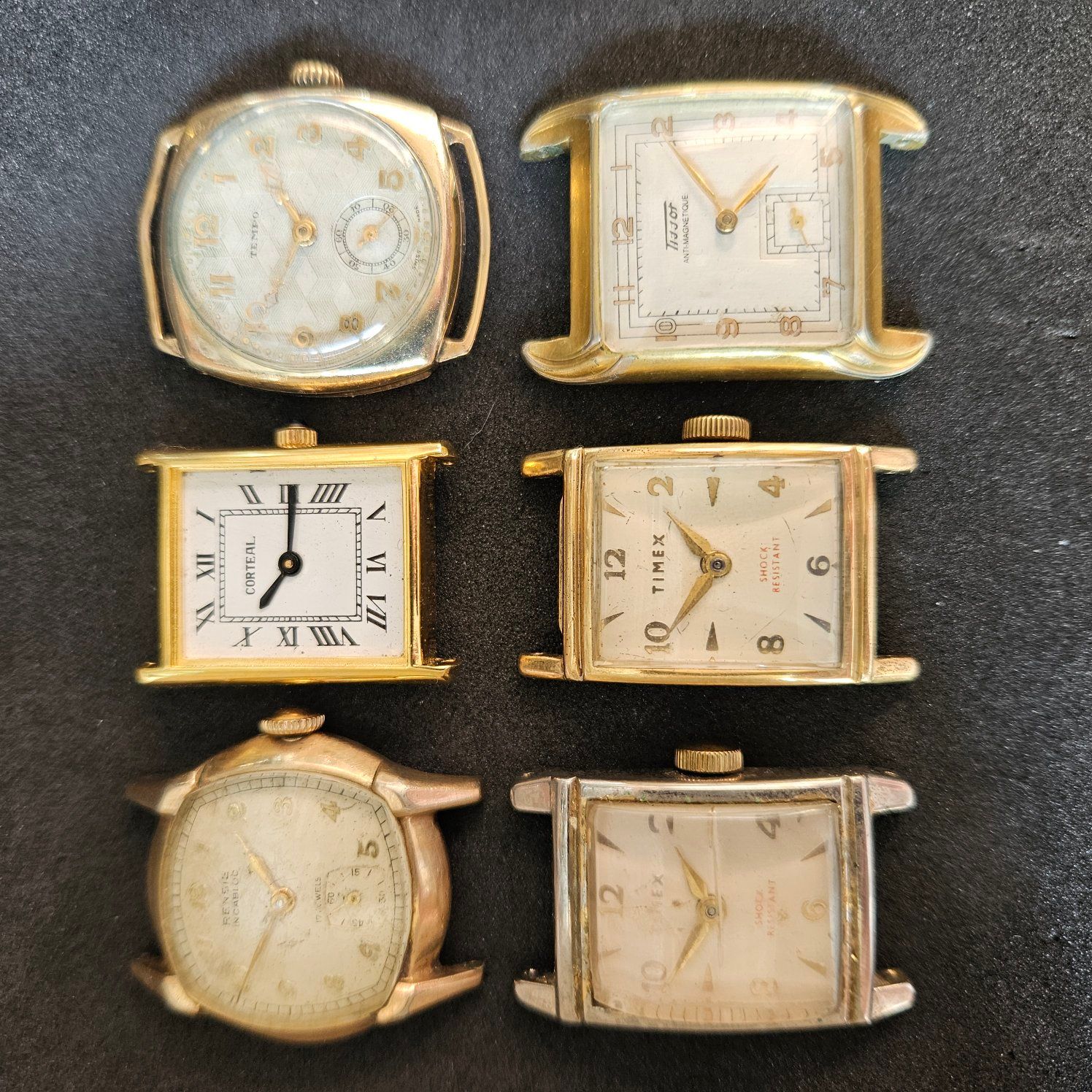
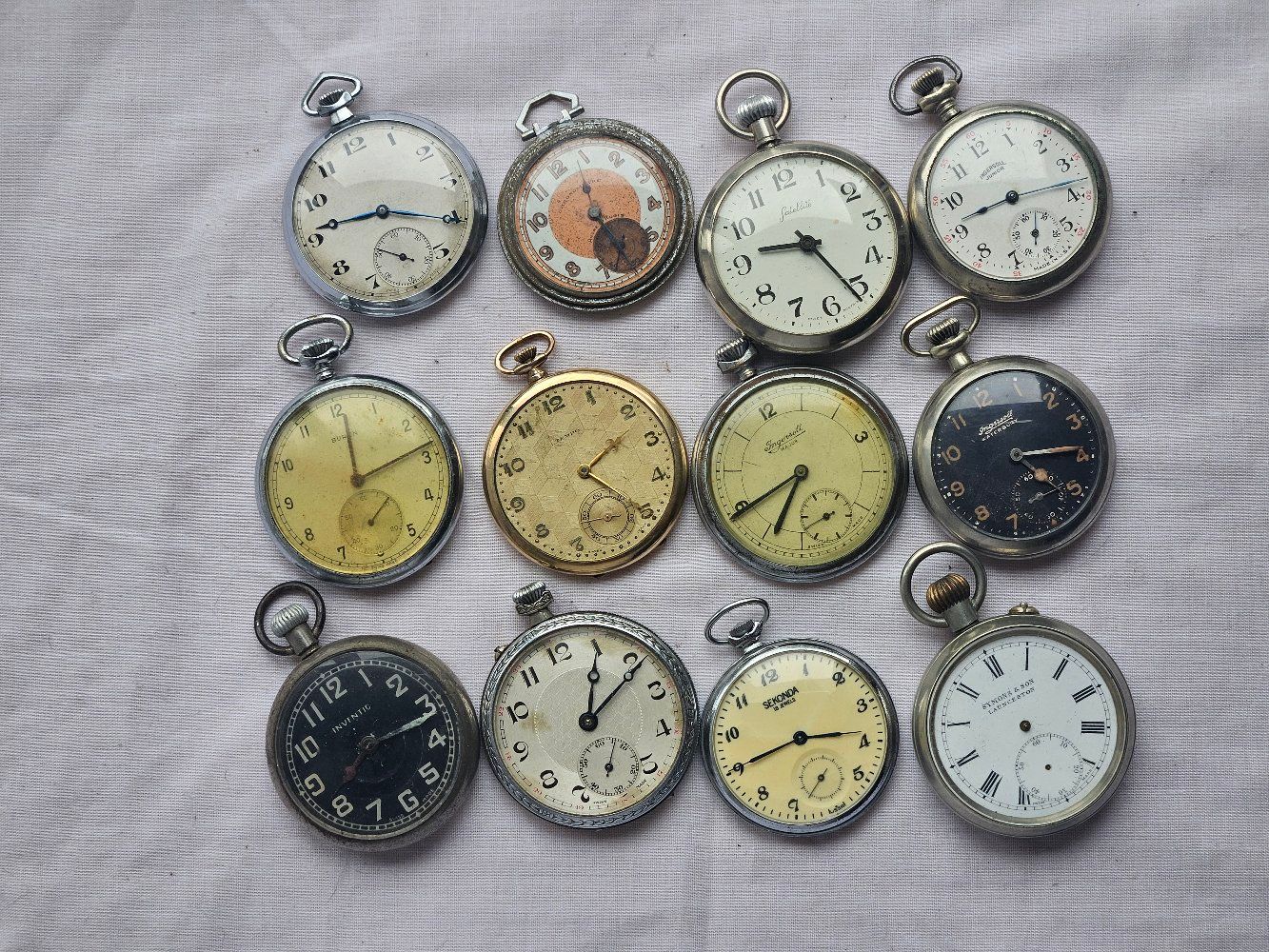
This history is largely defined by the transition from Pocket watches to wristwatches and the shift from mechanical to quartz movements.
The Transition from Pocket to Wrist (Late 19th
Century – WWI)
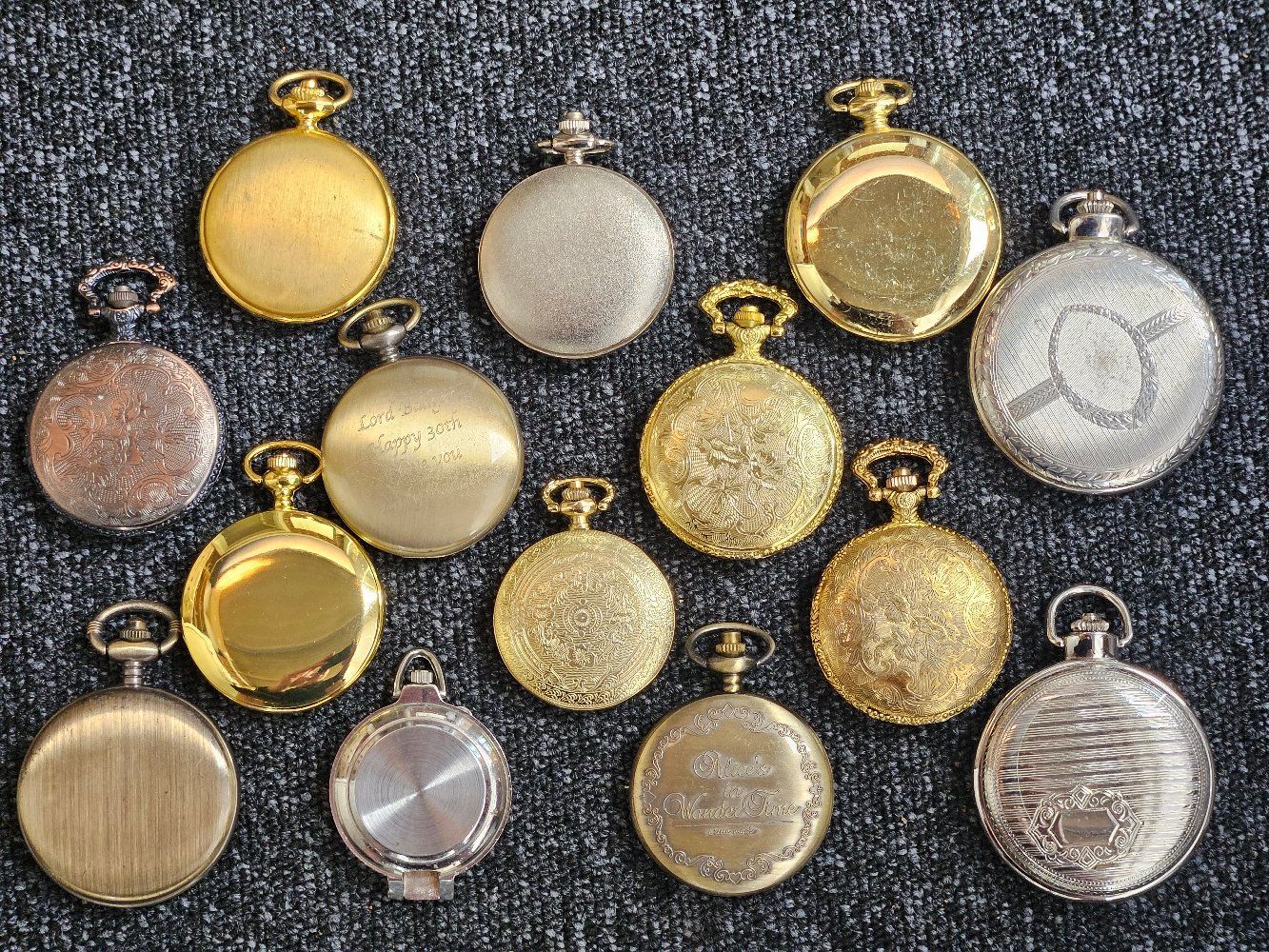
Watches first appeared in the 16th century, but for a long time they were inaccurate, Bulky items used more for ornamentation and status than precise timekeeping. Men Primarily used pocket watches, while early wristwatches (or “arm watches”) were Almost exclusively worn by women as jewelry. The shift began in the late 19th century Due to military necessity.
Military Use: Officers in colonial campaigns and the Boer War found pocket watches Impractical during battle or while on horseback. They began strapping modified pocket Watches, known as “wristlets” or trench watches, to their wrists for quick, hands-free Access to the time.
WWI Impact: The need for synchronizing military maneuvers, especially tactics like the “creeping barrage,” made the wristwatch a vital piece of equipment during World War I.
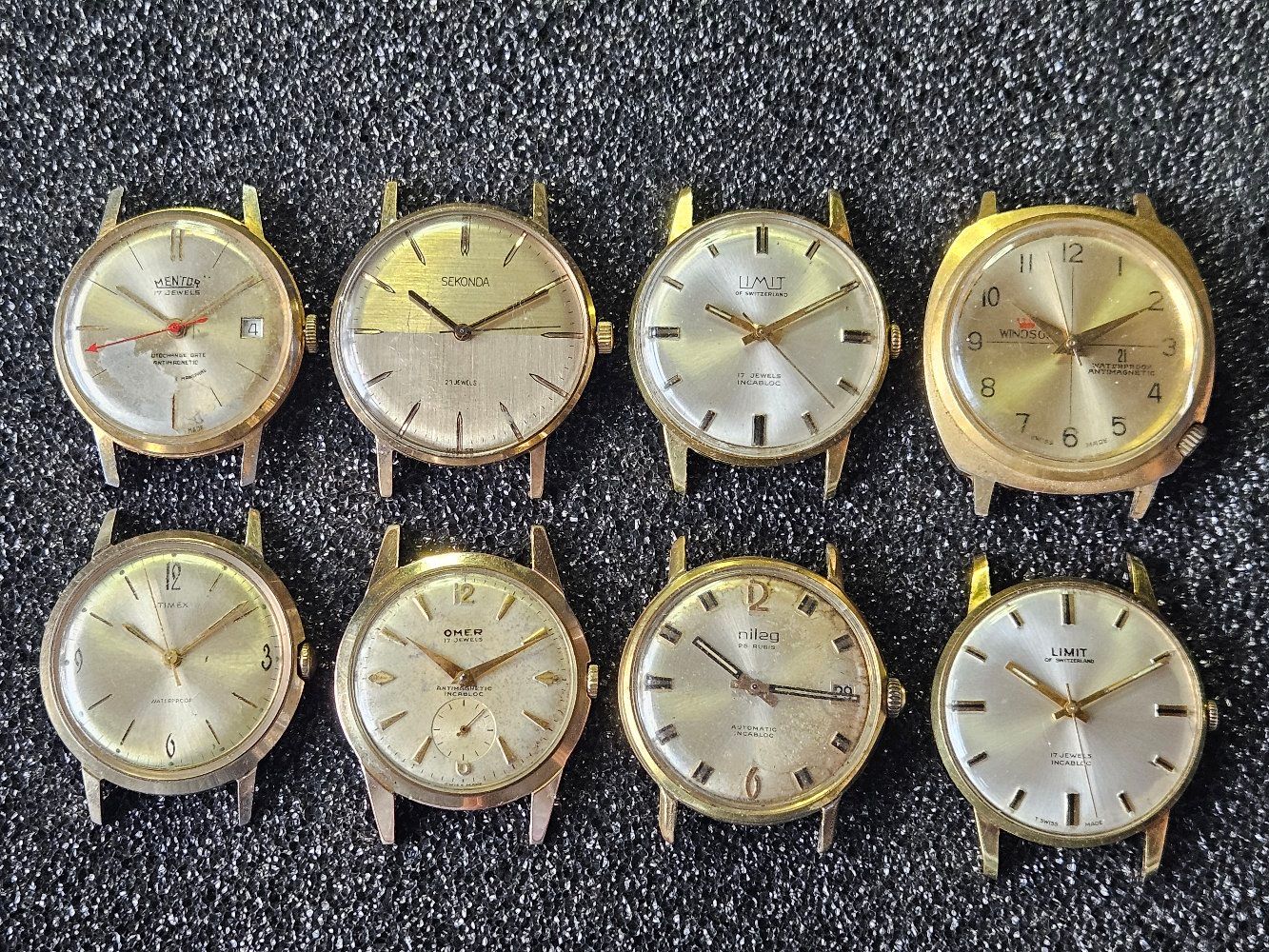
Post-War Popularization: Returning soldiers continued to wear wristwatches in civilian Life, transforming the public perception from a feminine accessory to a practical, Masculine item. By 1930, the ratio of wrist- to pocket watches was 50 to 1.
The Golden Age of Mechanical Watches (1920s – 1960s)
This era is often considered the pinnacle of mechanical watchmaking, characterized by Innovation and refinement.
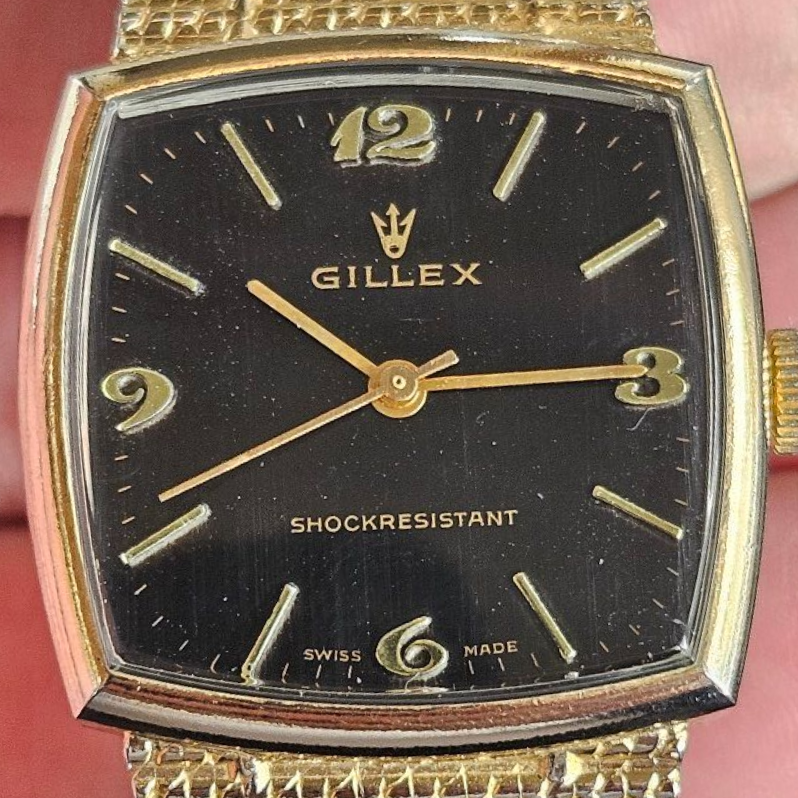
Technological Advancements: Key innovations included John Harwood’s first Successful self-winding system in 1923, and Rolex’s hermetically sealed, waterproof “Oyster” case in 1926. Other improvements included shock resistance, antimagnetism, and perpetual rotors (developed by Rolex in 1931).
Iconic Designs: Watch designs evolved significantly, influenced by movements like Art Deco in the 1920s and 30s. Purpose-built tool watches emerged, such as the Omega Speedmaster (which became NASA’s official watch and went to the moon in 1969) and The Rolex Submariner (launched in 1953). Renowned Brands: Brands like Patek Philippe, Audemars Piguet, Vacheron Constantin,
Rolex, Omega, and Longines produced highly complex and sought-after mechanical Movements and iconic designs.
Remember there is no pressure to accept an offer.
If you have a figure in mind do let us know and we will do our best to give you the most possible for your watches.
We know that you will get more from us especially for job-lots, than you will from other companies.
And because you don't have to send the items to us first you will never feel obligated to say yes.
You only send the items when you feel you have agreed the price you are happy with.
Click below, send your pictures, get an offer.